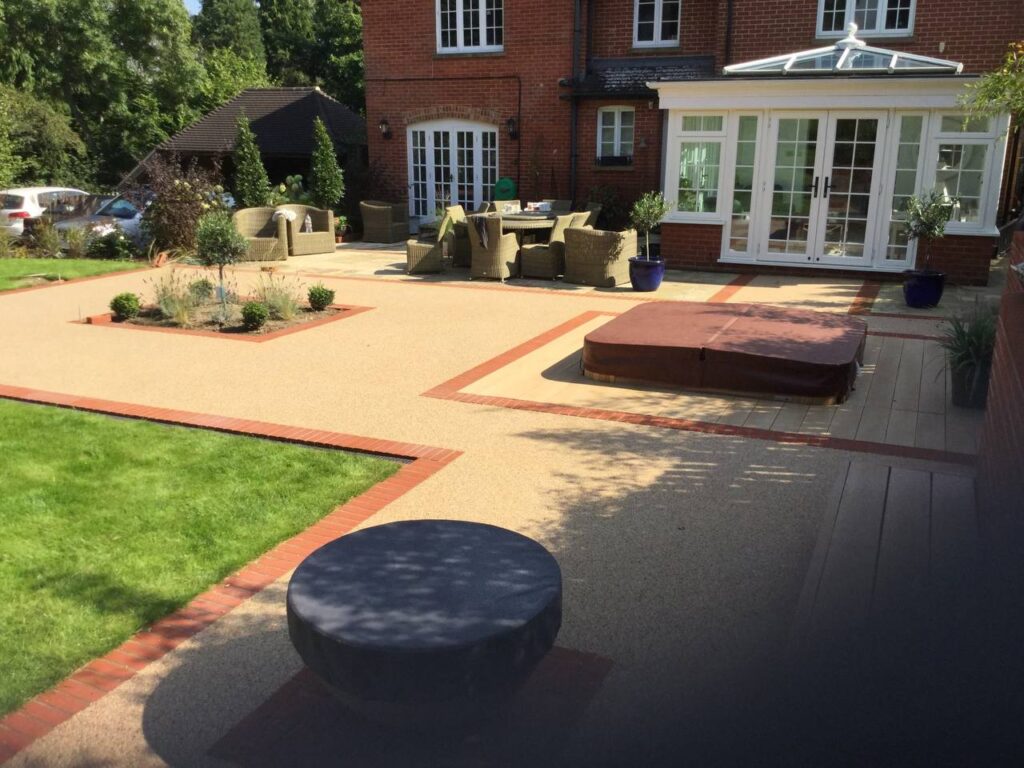
Has Your Patio Become an Area You Rarely Use?
A patio should provide a practical connection between the home and garden. It can support outdoor dining, relaxation and everyday movement, yet many patios gradually become spaces that householders avoid. The reason is not always a lack of interest in spending time outdoors. Poor access, uneven paving, inadequate drainage or an unsuitable layout can make the area inconvenient and uncomfortable to use.
For homeowners in St Neots, Cambridgeshire, identifying what prevents a patio from working properly is the first step towards creating a more useful outdoor space.
Why Some Patios Stop Being Used
A patio may have suited the property when it was first installed, but gardens and household needs change. Furniture requirements, access routes and expectations for outdoor living may now be different. The paving itself may also have deteriorated, making the area less inviting or harder to maintain.
The Surface Has Become Uneven
Paving slabs and blocks can move when the supporting base becomes unstable. Settlement, inadequate preparation and water entering beneath the surface may cause individual units to sink or lift.
An uneven patio can make chairs and tables unstable while creating awkward changes in level. Low points may also collect rainwater and dirt, making the space less comfortable after wet weather.
Resetting isolated paving may be suitable when movement is limited. More widespread settlement often requires the base and drainage to be assessed before a lasting improvement can be made.
Drainage Problems Leave the Patio Wet
A well-designed patio should direct surface water away efficiently. If the paving has insufficient falls or contains sunken areas, puddles may remain long after rainfall.
Persistent standing water can encourage algae, retain debris and increase deterioration around joints. It may also make the route between the house and garden unpleasant to use.
Cleaning alone will not correct the underlying problem if the surface profile is directing water into low areas. Effective improvement may require the levels, falls and outlets to be reconsidered.
The Patio Is Too Small for Its Purpose
A patio that once accommodated a small table may no longer provide enough room for the way the household wants to use it. Furniture can obstruct doors, narrow paths or leave little space for people to move comfortably.
Extending the paved area can create defined zones for seating, dining or access. The proportions should be planned around actual furniture dimensions and movement routes rather than creating space that looks adequate only when empty.
Access From the House Is Awkward
A poorly positioned patio may feel disconnected from the home. Narrow steps, uneven thresholds or an indirect route can discourage regular use, particularly when food, drinks or furniture need to be carried outside.
A revised layout can improve the connection between doors, paths and the main seating area. Where levels differ, carefully designed steps or gradual transitions can make movement more convenient and help the patio feel like a natural extension of the property.
The Layout Does Not Suit the Garden
Some patios occupy a shaded, exposed or impractical part of the garden. Others contain unnecessary angles, narrow corners or small sections that cannot accommodate useful furniture.
Before changing the paving, it is worth considering:
- How people move between the house and garden
- Where tables and seating will be positioned
- Which parts receive useful sunlight or shelter
- Whether doors and gates can open freely
- How the patio connects with paths and planting
- Where surface water needs to drain
Planning around these practical factors can make the finished area easier to use throughout the year.
The Surface Is Difficult to Maintain
Open joints, loose slabs and rough, deteriorated paving can trap soil and organic debris. Weeds and moss may then return quickly, even after the patio has been cleaned.
Maintenance becomes more manageable when the surface is stable, the joints are properly finished and water drains effectively. If the paving itself remains sound, professional cleaning and joint restoration may significantly improve it. Where the underlying construction has failed, repairs or renewal may be needed first.
The Patio No Longer Complements the Property
Faded, mismatched or extensively patched paving can make an otherwise usable patio feel neglected. Appearance is not the only consideration, but a coherent surface often encourages people to treat the area as part of their living space.
A new patio provides an opportunity to choose a material, pattern and colour that complement the property while remaining practical for its intended use. The design should prioritise reliable construction and comfortable movement rather than appearance alone.
Can the Existing Patio Be Improved?
Complete replacement is not always necessary. An existing patio may be worth retaining when most of the paving and base remain stable. Possible improvements can include:
- Lifting and resetting isolated sunken slabs
- Replacing cracked or damaged units
- Restoring failed joints
- Cleaning the surface professionally
- Adjusting specific drainage points
- Extending the usable paved area
- Improving steps or connecting paths
The correct approach depends on whether the problem is limited to the surface or originates from the supporting base.
When a New Patio May Be More Practical
A new installation may be the more dependable option when settlement is widespread, drainage is ineffective or the layout no longer meets the household’s needs. Starting again allows the area to be prepared with suitable foundations, accurate levels and a design based on its intended use.
This can be particularly valuable when repeated local repairs have left inconsistent levels or failed to address movement beneath the paving.
Why Proper Preparation Matters
The long-term performance of a patio depends heavily on what lies underneath it. A stable, well-compacted base supports the paving and helps distribute weight evenly. Correct falls allow rainwater to move away rather than collect on the surface or beneath the slabs.
Edging, joints and transitions also need careful attention. These details keep the paving contained, reduce movement and help the patio connect neatly with surrounding areas.
Conclusion
If your patio has become an area you rarely use, the cause may be an uneven surface, poor drainage, awkward access or a layout that no longer suits your needs. Identifying these practical limitations makes it possible to decide whether focused improvements or a redesigned patio would provide the best result.
St Neots Driveways & Patios provides professional patio installation and improvement services in St Neots, Cambridgeshire. If your current patio is no longer working effectively, contact our team to arrange an assessment and discuss a practical way to make better use of the space.
Call us on: 01480 772 092
Click here to find out more about St Neots Driveways & Patios
Click here to complete our contact form and see how we can help with your driveway needs.