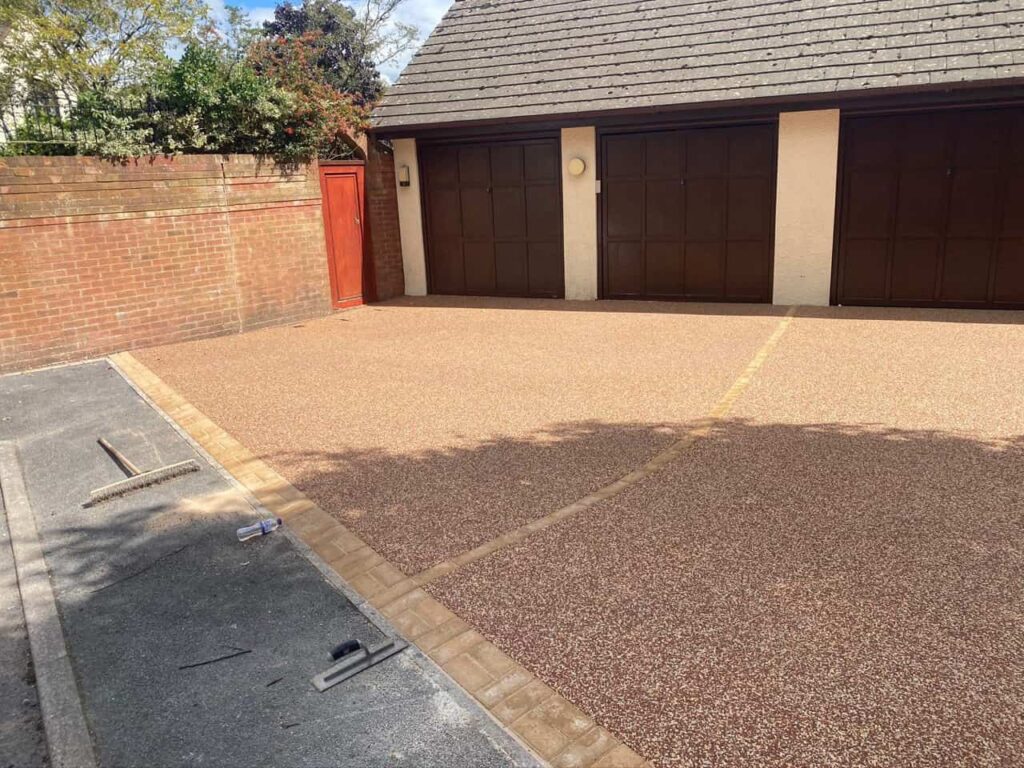
Is Tarmac Suitable for Large Driveways?
Why Tarmac Can Work Well Across a Large Driveway
Tarmac is a practical option for large driveways because it creates a continuous, durable surface capable of handling regular vehicle movement. Its smooth finish can provide convenient access across extensive areas while giving the frontage of a property a neat and consistent appearance.
However, surface size alone does not determine whether tarmac is suitable. Ground conditions, drainage, expected traffic and the standard of preparation all influence performance. For property owners in St Neots, Cambridgeshire, a professional site assessment is the best way to establish the correct approach.
A Continuous Surface for Larger Areas
Large driveways can contain long access routes, turning spaces and several parking areas. Tarmac can connect these sections with a uniform surface, avoiding changes in level between separate materials.
This continuous finish can make the driveway easier to navigate and helps create a clear route towards the property. It is also suitable for irregular layouts because the material can follow curves, slopes and changing boundaries.
Strength for Frequent Vehicle Movement
A large driveway may need to support several vehicles and repeated daily journeys. Properly installed tarmac distributes vehicle loads through its surface and supporting layers.
The construction must reflect how the area will be used. Important considerations include:
- The number and type of vehicles
- Frequently used wheel tracks
- Turning and braking areas
- Parking arrangements
- Access for larger vehicles
- Sections where vehicles may remain stationary
Areas exposed to concentrated movement may need additional preparation to maintain stability.
Ground Preparation Is Particularly Important
The performance of a large tarmac driveway depends heavily on the base beneath it. Weak or inconsistently compacted ground can allow sections to settle at different rates, causing depressions and cracking.
Professional preparation may include removing unsuitable materials, establishing the required depth and installing a well-compacted sub-base. Each layer should be constructed consistently across the entire driveway rather than treating heavily used and quieter areas differently without good reason.
Careful groundwork helps prevent:
- Localised sinking
- Uneven levels
- Cracking caused by movement
- Weak edges
- Water collecting in depressions
- Premature surface deterioration
Effective Drainage Across the Whole Driveway
A larger surface collects more rainwater, making drainage an essential part of the design. If levels and falls are incorrect, water may travel towards the property or collect in low areas.
The drainage plan should consider the entire driveway, including long access routes, parking spaces and turning points. Depending on the site, the design may incorporate carefully formed gradients, channels and suitable drainage areas.
Standing water should be investigated because it may indicate incorrect levels, blocked drainage or movement beneath the surface.
Edge Support Helps Maintain the Surface
The edges of a driveway are vulnerable because they do not have surrounding material on every side for support. This becomes especially important on a large driveway with long boundaries.
Secure edging helps contain the tarmac and reduces the risk of crumbling or spreading under repeated vehicle pressure. It can also define separate areas for parking, walking and planting, improving both performance and appearance.
Tarmac Can Simplify Routine Maintenance
A continuous tarmac surface has relatively few joints where weeds and debris can gather. This can make routine maintenance more manageable across a large area.
Useful maintenance tasks include:
- Sweeping away leaves, soil and loose debris
- Keeping drainage points clear
- Removing unwanted vegetation from edges
- Checking for small cracks
- Monitoring depressions or uneven sections
- Avoiding repeated sharp turns while stationary
Regular observation is valuable because small changes may be less noticeable across an extensive driveway.
A Practical Appearance for Large Frontages
Large driveways can dominate the view of a property. Tarmac provides a simple, uniform finish that can make the area appear organised without introducing an overly complicated pattern.
Contrasting kerbs or edging can soften the expanse and create visual definition. These details may be used to separate parking areas, mark pathways or frame planting while also providing structural support.
Can an Existing Large Driveway Be Resurfaced?
Some existing driveways may be suitable for tarmac resurfacing, but this depends on the condition of the underlying structure. Covering an unstable surface will not correct movement, drainage defects or widespread failure beneath it.
Before resurfacing, a professional should assess:
- The stability of the existing base
- The extent and cause of cracking
- Whether any sections have sunk
- Existing drainage performance
- The condition of the edges
- Whether the levels can accommodate another layer
If the base remains sound, resurfacing may provide an effective new finish. Where deeper problems are present, reconstruction of affected areas may be required first.
Signs a Tarmac Driveway Needs Attention
Even a well-installed surface should be monitored over time. Arrange an assessment if you notice:
- Cracks spreading across several areas
- Repeated failure along wheel tracks
- Crumbling edges
- Depressions or uneven levels
- Loose surface material
- Standing water after rainfall
- Repairs failing in the same locations
Identifying the cause early can help prevent localised deterioration from spreading across a much larger surface.
Conclusion
Tarmac can be highly suitable for large driveways because it provides a strong, continuous and adaptable surface for access, parking and regular vehicle movement. Its performance depends on consistent ground preparation, effective drainage, secure edging and a specification appropriate for the expected use.
If you are considering tarmac for a large driveway in St Neots, Cambridgeshire, St Neots Driveways & Patios can assess the site and recommend a suitable installation approach. Careful planning at the outset can help create a practical, well-finished driveway designed for dependable everyday use.
Call us on: 01480 772 092
Click here to find out more about St Neots Driveways & Patios
Click here to complete our contact form and see how we can help with your driveway needs.